Information
Catching up on all that's beautiful

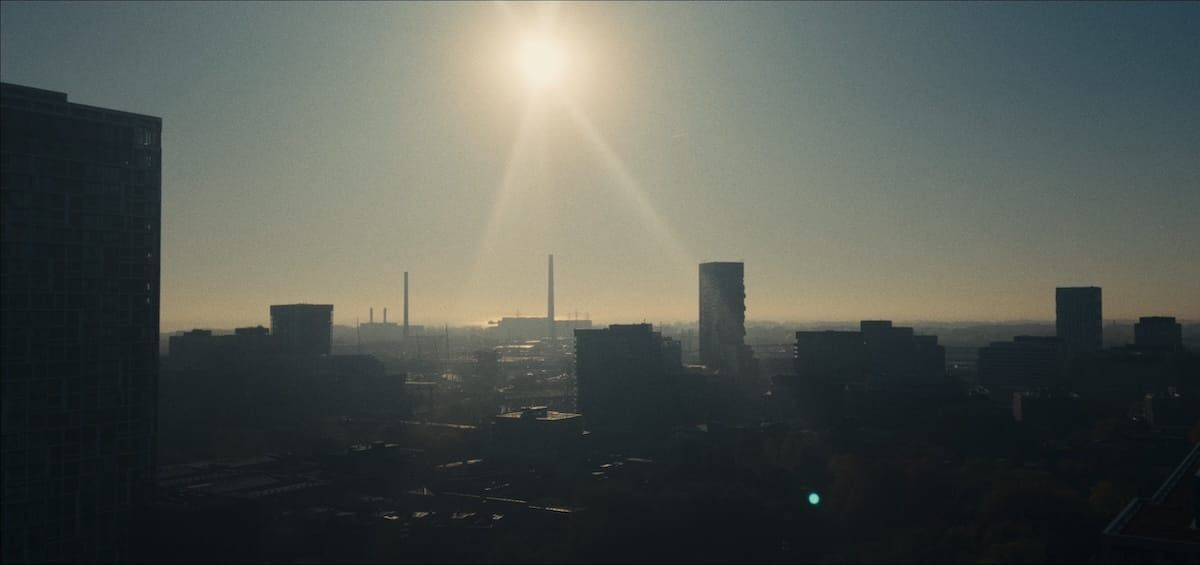
I’m propped up on the couch with a double dose of vaccination in the left shoulder and nothing to do all afternoon, so I figured a roundup/catchup post would be fun. It’s been an uncommonly gorgeous fall so far, I don’t know if you’ve noticed. Perfect timing: Steve Yedlin and Rian Johnson made a camera.
I’m not much of a photographer (owing mostly to my innate lack of a design sense) which, thankfully, has not stopped me from really enjoying taking pictures. I’m sure you’ve seen that thing going around about how enjoying recreation activities is more important than being good at them.
It also means I have no idea what this means but it sounds good to me: the app bypasses the iPhone’s look processing and instead uses the LUTs that Yedlin designed for his and Johnson’s films. Right out of the box, here’s the difference between iPhone and Chromagraph on a photo of Lazenby:
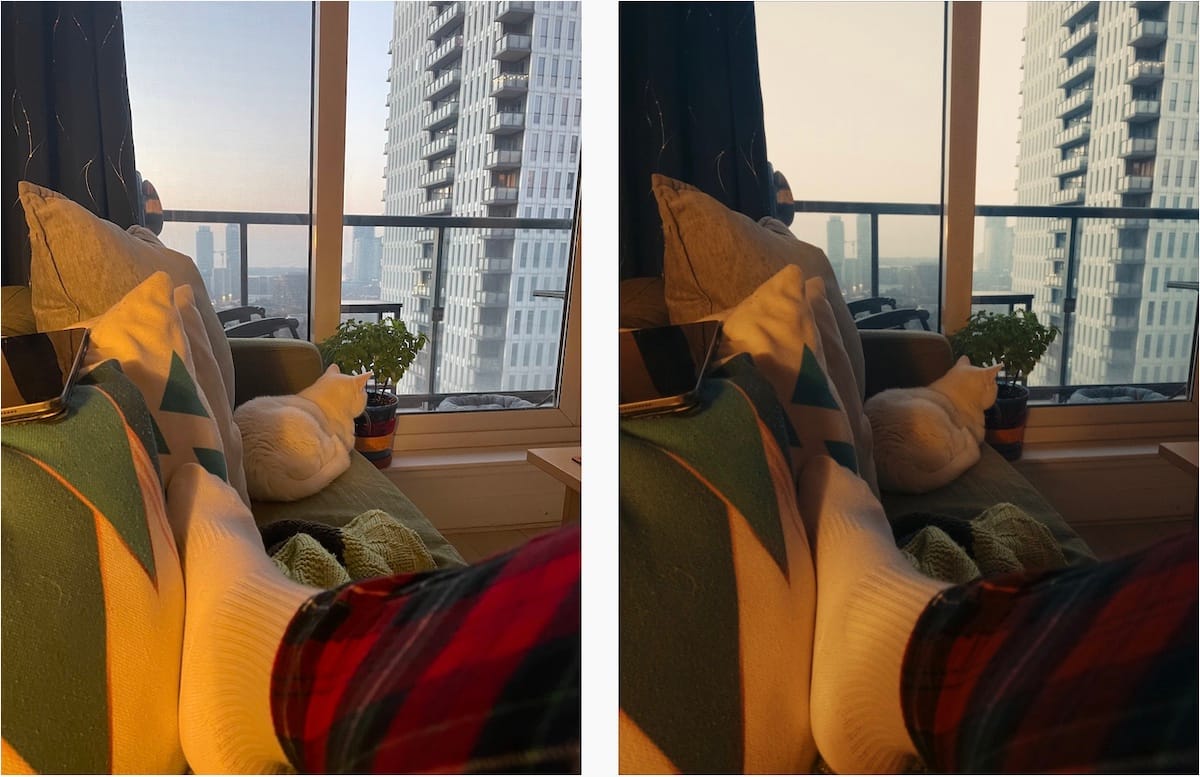
A little more mood in the foreground, and a much more (“photochemically”) natural wash into a fade in the background. iPhone, of course, drags everything to the middle — Chromograph suggests an approach to photography where you actually have to make choices.
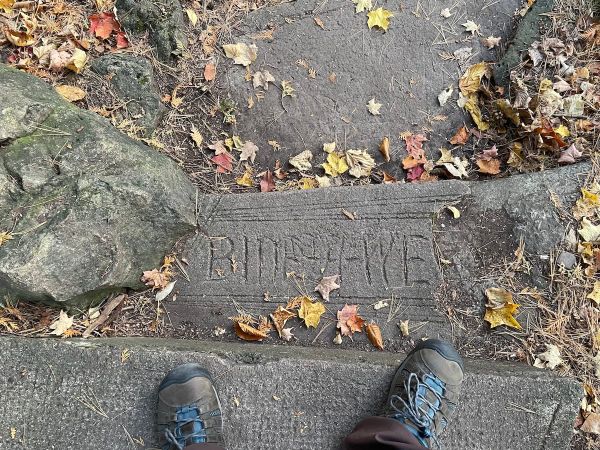
I ran out with Chromagraph as soon as I downloaded it (got lucky, too: it was a misty, tranquil morning here in Regent Park). The app’s a bit of a space hog, but I expected that going in. The off-the-shelf settings are gorgeous; and pushing a picture a stop or two, or pulling it one, renders great effects. (Fucking around with grain structure is just a bonus.)
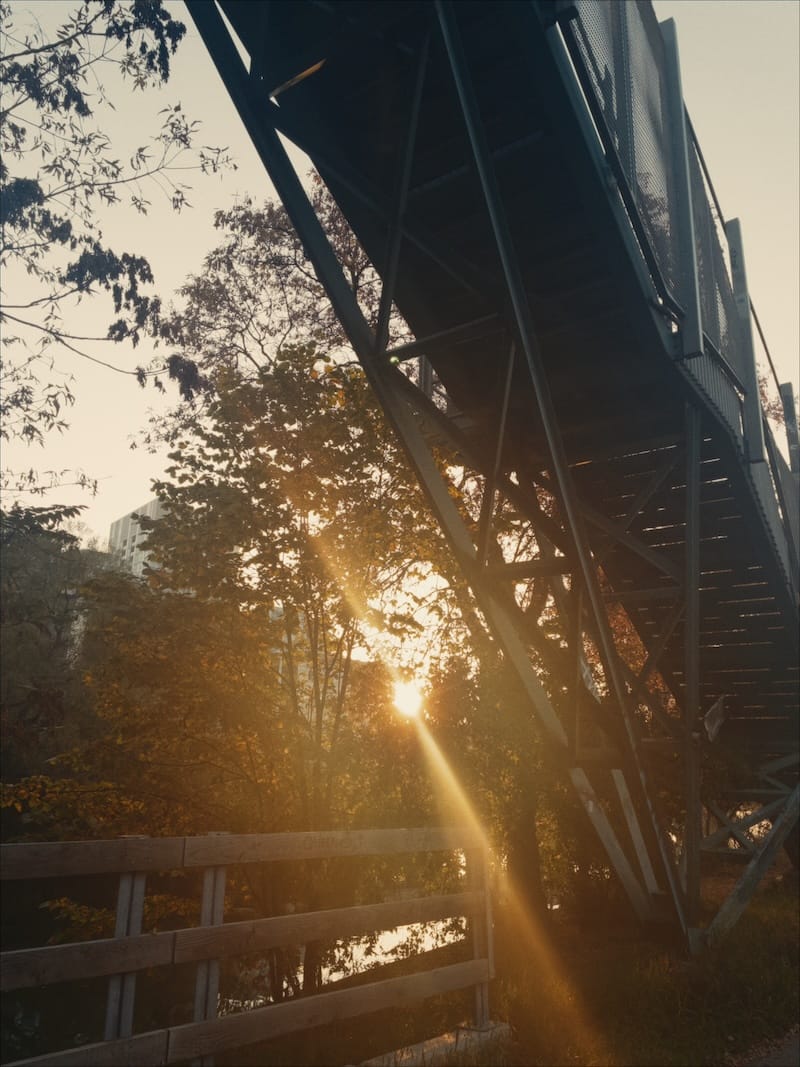


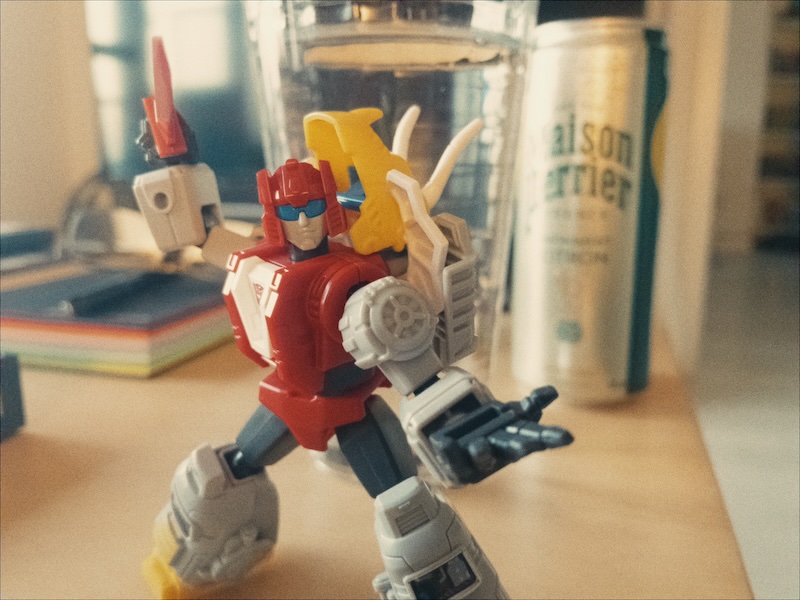
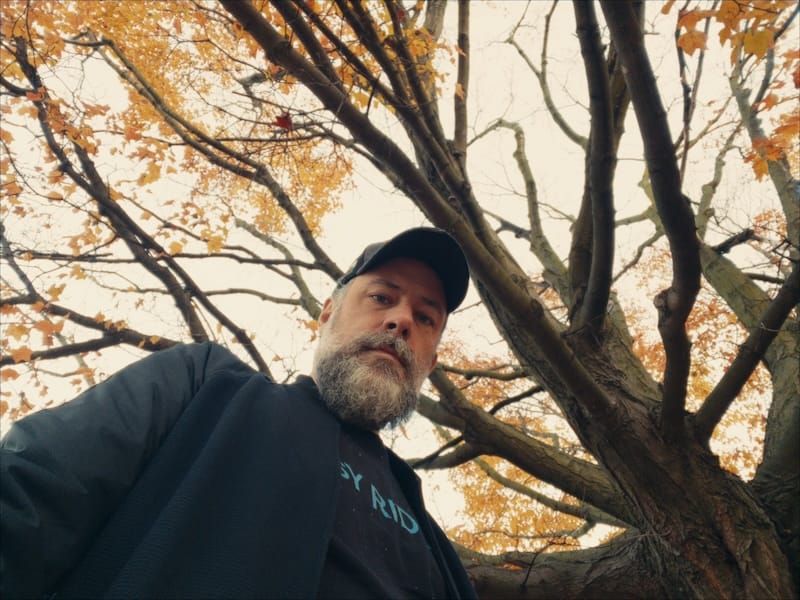
When a piece of software (or a video game) costs money these days (well, up-front money; not “we’ll sell your data to the A.I. farms” money) I always ask myself: did this give me (in Chromagraph’s case) $18 worth of enjoyment? Answer: sure did.
What I’ve been reading, eating, watching, consuming
Galactic Racer
Last week I mentioned Galactic Racer, and may I just re-up: I don't know if I've (so far) gotten $80 worth of enjoyment out of it, but having barely begun I'd say I'm cruising past the $40 mark (with my engines on fire and an untraceable rattling from the exhaust manifold that my mechanic, who is Ardennian by way of Sheffield, is definitely going to fix sometime, she promises).
I've mentioned before that I'm a shite gamer. Remains true. I just did a round where, you know that scene in Andor when Cass completely fails at flying a TIE Fighter? Like that.
So I’m basically lost in Galactic Racer‘s early sprints, barely making headway against the first Grand Prix map… but I am making headway, and that’s what I’m enjoying about the game. It is a detailed bit of exposure therapy for “controlled failure / incremental progress,” which is a good life lesson, always. We could all do with more of this.
Plus, it’s Star Wars. I f***in’ love Star Wars.
Stranger Things ’85
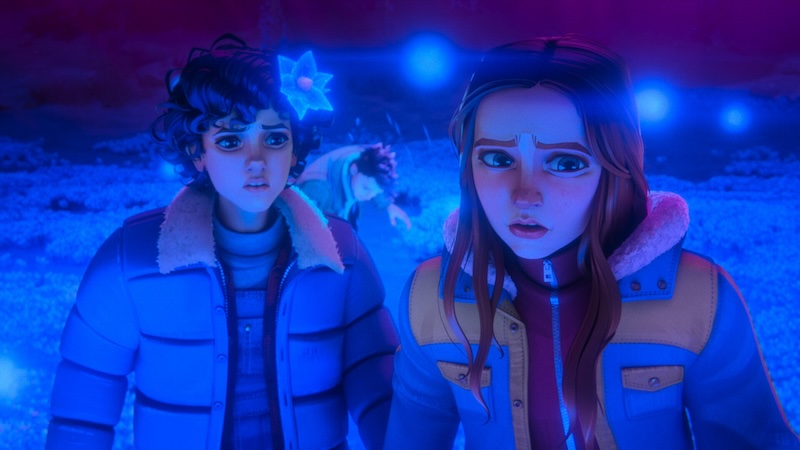
Colour yourself astonished: I’m the person who loves the animated midquel Stranger Things spinoff. Well, maybe “loves” is a strong word, but I really, deeply appreciate it: it’s a good idea. Got kids too young to adopt Stranger Things proper, but have heard about it and want to know what it’s about?
Tales from ’85 creates a couple of spooky adventures in between seasons 2 and 3 (i.e., the only point in the whole run of the show when the entire gang was together), and treats them like the best Saturday morning cartoons of my youth (i.e., we can imagine adventures like this happening forever). It’s the latter part that really fires my soul: this won’t happen, of course, but one could imagine them doing twenty seasons of this, with less and less burden to the overall continuity of the live-action show as they go along, because the live-action show isn’t the point. The kids are “frozen in time” here, and they’re just the kids, and the kids get up to shenanigans. Perfect series concept.
The voice cast is largely game, and the show leans into the relationships in a way the prime series was never really able to. Max and Lucas remain Stranger Things MVPs in any medium, and are handled marvellously here — giving their pre-season 3 romance a bit of added depth that pays out wonderfully when you think ahead to season 4.
Little House on the Prairie
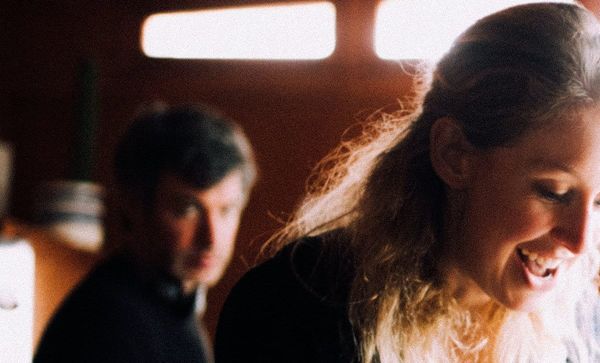
Then there’s this crazy shit:
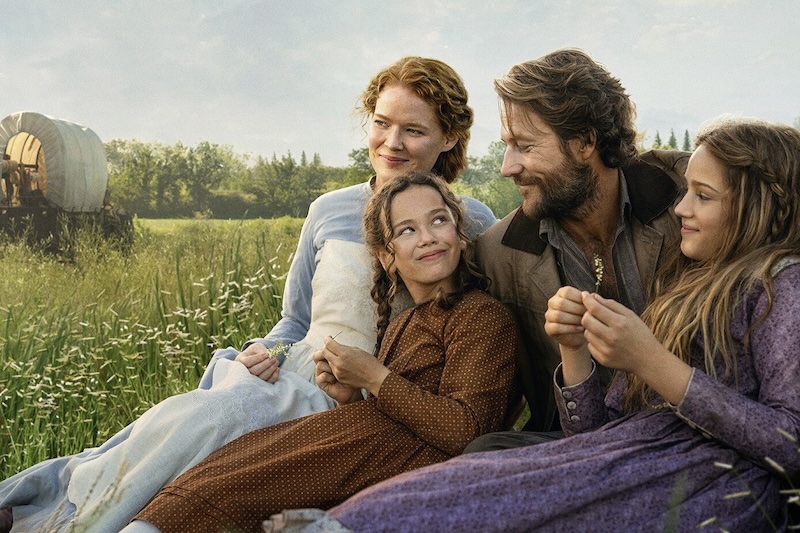
And by “crazy shit” I mean extremely comfortable, homey, American mythcore. I certainly didn’t expect to get absorbed by a Little House on the Prairie remake — my memories of the original are basically zero, with the exception of a strong sense of “someone is going to die horribly in one of these episodes” — but here I am, gobbling down season one of Rebecca Sonnenshine’s reinterpretation of Laura Ingalls Wilder’s books.
I’ll admit, part of the appeal was simply to answer: is this a supremacist project? Colonizer writing from a white perspective about the pioneer myth, you’d have to wonder. But the show gives a tricky “maybe.” Shows are about when they are made, and Little House both rejects historical authenticity outright in some quarters (the Christmas episode is as laughably anachronistic as that ornament store in Niagara-on-the-Lake) and builds it in others.
The Osage are very present in this season. The series doesn’t make its Indigenous characters a “them.” By which I mean: there are a lot of varying points of view among the Osage characters as regards the presence of the white settlers; this makes the Osage less a monlith providing pressure on the narrative than a spectrum of characters in the exact same situation as the Ingalls, trying to work within their means to extract a way of life from their circumstances which feels meaningful to them.
It doesn’t hurt that the lead kid is also fascinating: as Laura, Alice Halsey frequently flits between a very modern affect (this kid has a face that was made for TikTok) and the necessities of her period-ish position and dialogue; but she also leans hard into a tomboy truthfulness that nearly becomes iconic when bedecked in her wide-brimmed hat, raggedy dress, and slingshot.
I don’t want to over-read queerness where none need exist — “tomboy” is a perfectly acceptable gender presentation, after all — but watching Laura try to work out how to fit herself into her expectations, responsibilities, and sense of self is a real driving interest of the show if we read it (as we cannot help but do) from a 2026 lens. This provides a skeleton key to everything else the series is doing.
Can we apply modern language to the archetypal, exclusionary, patriarchal and oftentimes racist setup of a Little House on the Prairie novel? It’s an uneasy alliance between source values and modern reality, but never not an interesting one; and the fact that all this is being done within what is beyond question a straight-down-the-middle attempt at an “everyone” family drama deepens the interest. At its best, Little House is both propaganda and the interrogation of same, at the same time.
There’s a fragility to the neo-liberal imagination of the town of Independence that impacts all characters: Indigenous, white, Black. “She’s as safe as any of us are,” Osage matriarch White Sun (an excellent Alyssa Wapanatâhk) tells Charles Ingalls (Luke Bracey) after a violent encounter in the third episode. What she says feels like all of us, right now, as we try to make the overall human project work even as it takes on water: in the same boat, no matter who says otherwise.
The Art of Andor

I’m delayed getting into this — the book’s been out since the summer — but a) Andor is autumnal, and b) I never want to race through things like this, anyway.
It’s a lot of detail, and I appreciate how author Phil Szostak has taken a page from the work of the late, great J.W. Rinzler: slipping a great deal of “how they did it” production logistics into the nominal “how they designed it” framework of a Star Wars “Art Of” book.
It’s a fascinating canvas survey of the material conditions of creating great, collaborative artwork (the interview segments with production designer Luke Hull and set decorator Rebecca Alleway describing the narrative and thematic insights they brought to their work are worth the price of the book alone), and, bonus round: recall that all this happened during the pandemic.
Anyway. You didn’t need any more ammunition as regarding Andor being the best to ever do it, but here it is.
Slow cooker mac n’ cheese
Random google to burn through some dry pasta that’s been in my cupboard too long, but lemme tell ya: whoo boy, this recipe. The can of cream of chicken soup turns the whole thing into an umami bomb; and that note of mustard is delightful.
The Benedict Chronicles
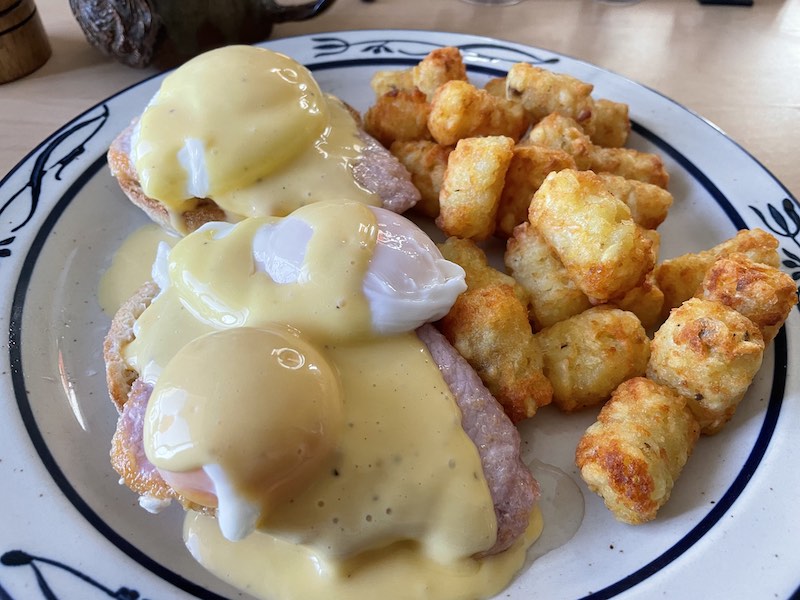
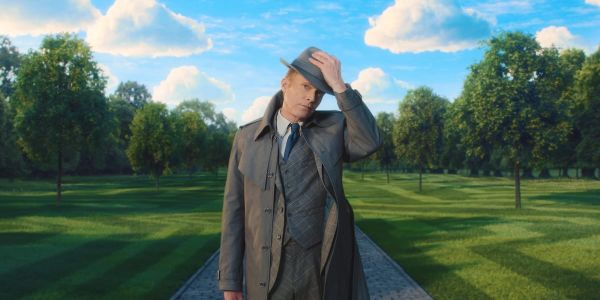
“Yeah. I’m thinking I’m BACK.”
Culture Study
Finally, and I know I’ve said this before, always read Anne Helen Petersen.
Her piece on You Can See Everything, though as rambly and unedited as one of my own, is so fucking great. (She has kindly divided it into the non-spoiler and then spoiler sections quite clearly, if you want to safely take a taste.)
She immediately locates Werner Herzog’s Minnesota Declaration as a key premise for unlocking the work — the obvious Herzog connections throughout YCSE have not, to my eye, been credited in other reviews of the piece — and goes from there to break down so much of what is truly fascinating about the documentary, which at this point I think is being mis-sold to an increasingly general public as being “about Elizabeth Holmes,” when the actual subject is far wilder, far harder, and far more rewarding. (Another frequent point of comparison that I have seen in other pieces: Vertigo.)
To (modestly) spoil Petersen’s piece but not the film, she also closes with a belter of a final statement: “the lie that [has] undergirded this country since its founding: that we are who we say we are.”
Not only because of my thinking about Little House or any of the other things on this list… or even the election season collywobbles or the accounting I’m now taking on the big, disastrous couple of years we’ve just had… that summation hit. It really hit.